When it comes to long-term support after a neurological condition, movement often plays a big part. Physical therapies are an important part of staying active, but not every approach works for everyone, especially when stiffness, fatigue, or pain make things more complicated.
That’s where aquatic therapy for neurological conditions can make a difference. Using warm water as part of a rehab plan is becoming more common, and for good reason. As the colder months set in across the UK, it’s no surprise that outdoor activity gets harder. Icy paths, biting wind, and uneven pavements can all add stress or risk. Water, though, offers a space that’s warm, stable, and easier on the body.
Aquatic therapy isn’t a quick fix, and it’s not meant to replace other types of rehab. But it can offer a helpful way to move more comfortably over the long run. Here’s how it works and why it might make sense for ongoing neurological recovery.
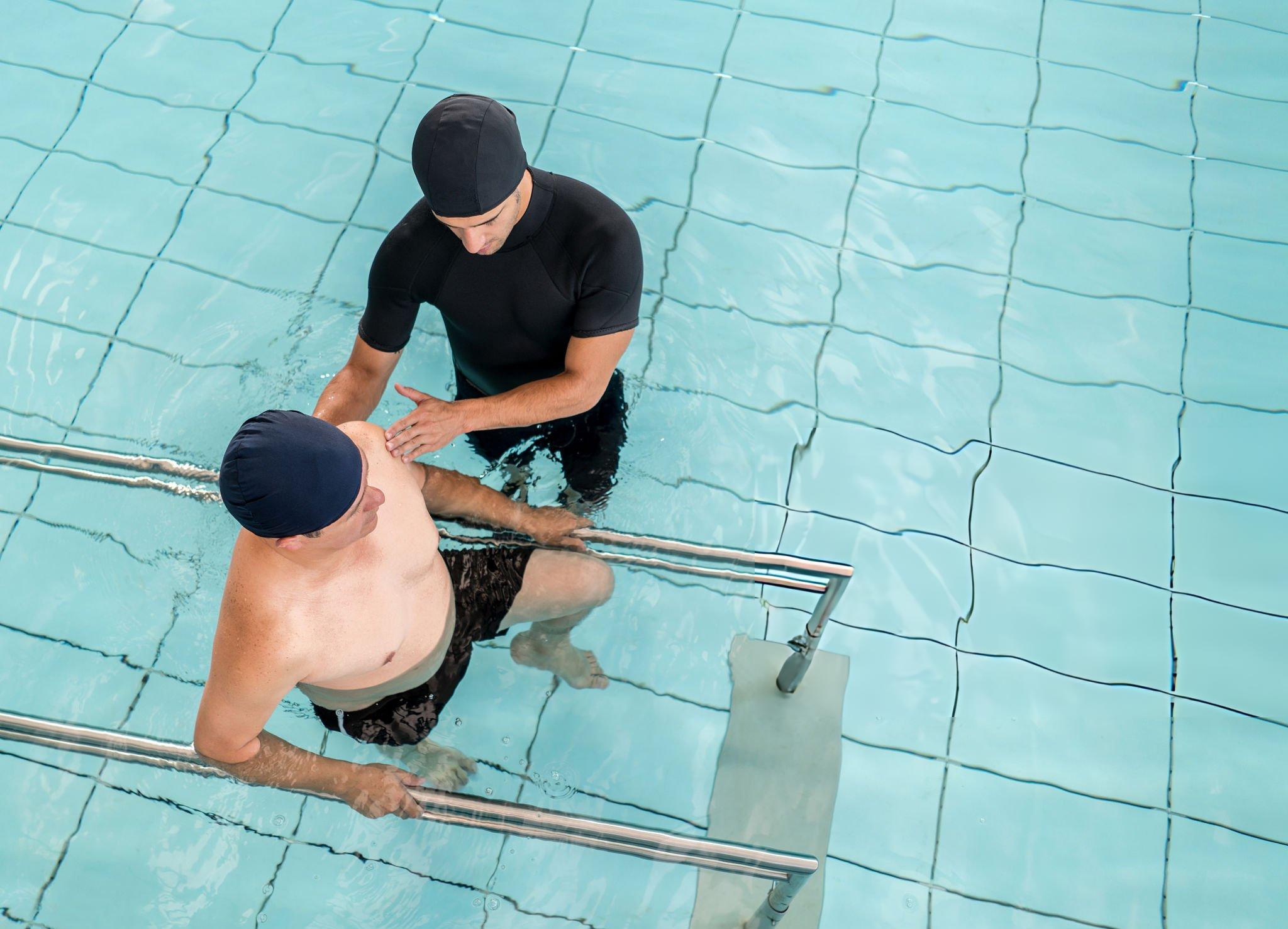
Aquatic therapy usually takes place in a warm pool with one of our trained physiotherapists, using the water to support movement in a gentle, low-impact way. It’s not swimming or regular water exercise. Instead, it’s focused on helping people move when land-based exercise feels too hard or too painful.
The warmth of the water provides some relief to tight muscles and joints, which makes it easier to begin moving. Water also supports the body, so there’s less pressure on bones and joints. For someone who finds walking or standing challenging on land, the pool can be a safe space to build strength, balance, and flexibility.
Because water offers natural resistance, even small movements become more meaningful. This makes it easier to improve mobility and coordination without having to lift heavy equipment or engage in complex routines. Over time, it can lead to longer-lasting improvements in the way someone walks, balances, and moves through daily life.
We always provide qualified physiotherapists to guide pool-based therapy, making sure each session is suited to your needs and abilities.
The nervous system controls all movement, and when it’s disrupted by injury or illness, every step can be harder. Water can offer a calming space to reconnect movement with the brain and body, especially when tension and stiffness get in the way.
• Warm water often helps muscles relax, which reduces the tightness commonly seen with neurological conditions
• The gentle resistance of the water helps activate more muscles with each movement, improving coordination
• Light exercises in the pool can promote better blood flow, which supports healing and may even help reduce pain for some people
For those who feel anxious or unsteady during land-based therapy, the pool may feel less risky. Knowing there’s a cushion of water around the body can ease worry and build confidence, making it easier to keep working on difficult skills.
Our aquatic physiotherapy is a recognised clinical approach for symptoms related to stroke, MS, spinal cord injury, and cerebral palsy, focusing on safety and gentle, guided movements.
Cold weather can slow down progress. Muscles often feel tighter in winter, and it’s easy to become less active when it’s icy or grey outside. That’s why having options for indoor movement, like aquatic therapy, can help keep things steady.
Water sessions aren’t impacted by the weather and provide a warm space to move when joint pain or fatigue feels worse than usual. For someone working toward long-term goals like better walking or improved posture, staying active across every season is key.
• Winter can make outdoor rehab risky or uncomfortable, which may cause setbacks in recovery
• Pools offer a stable, comfortable environment to continue therapy with less chance of falls or injury
• This consistency matters, especially when the goal is to build habits and keep improvements going beyond the early stages of rehab
By keeping up with gentle movement even when it’s cold outside, we support those small, steady gains that build into larger milestones over time.
Not every approach works for every person, but water-based therapy can be helpful for several neurological conditions, especially when adapted and supported properly.
• People recovering from a stroke may use the water to practice balance or regain leg strength
• Those with multiple sclerosis may find that the warmth and support of the water make it easier to manage muscle spasms or fatigue
• Children or adults with cerebral palsy might benefit from water-based stretching, where there’s less strain on tight muscles
• For someone with a spinal cord injury, water can be one of the few places they feel secure enough to work on range of motion or breathing
Each condition brings a different set of challenges, which is why pool movement needs to be guided by clinicians who know how to adjust the plan. Done right, aquatic therapy becomes a useful part of a much larger care plan.
We offer both land-based and aquatic neurological physiotherapy, and sessions can be arranged close to your home in most regions across the UK.
Finding the right path to recovery is rarely a straight line, but supportive options like aquatic therapy can make a real difference. Warm water, skilled guidance, and gentle movement in a safe pool can offer the steady encouragement needed for ongoing progress.
At The Neuro Physio Service, we believe in the power of warm water to support ongoing recovery. With aquatic therapy for neurological conditions, you can embrace a gentle, supportive approach to movement even as the seasons change. Our experienced physiotherapists are here to guide you through each session, ensuring it aligns with your specific needs and goals. Reach out to discover how water-based therapy can seamlessly fit into your rehabilitation journey, providing comfort, ease, and consistent progress all year round.