When someone is living with a neurological condition, everyday movement can take a lot more effort. Muscles may not fire the way they should, and walking or getting dressed might feel slower or less steady than usual. That can get harder when winter sets in, and the body feels stiffer or more tired.
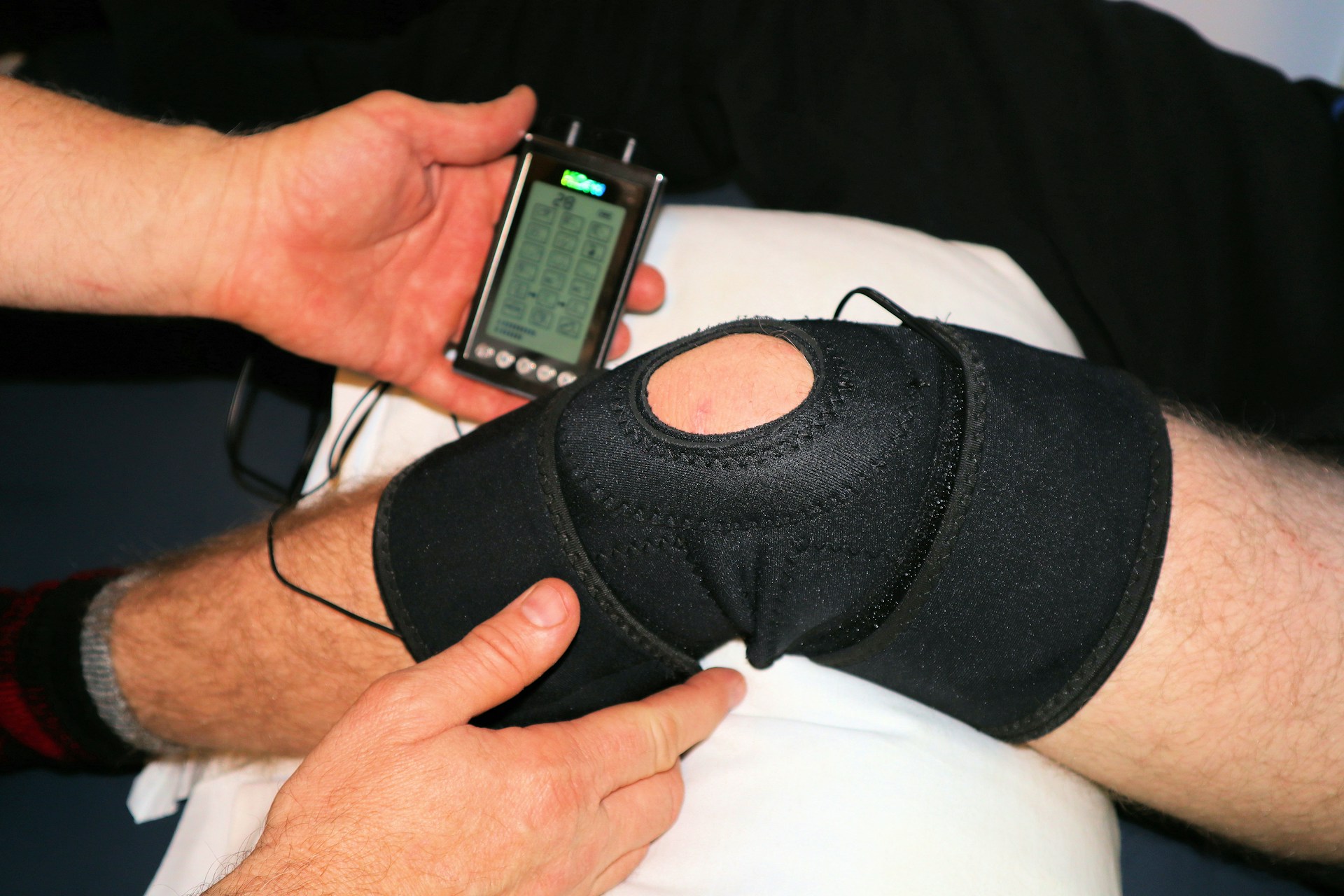
One tool we sometimes use to help with this is called electro stimulation. It’s a gentle way to encourage muscles to move more naturally when the brain’s signals are not getting through properly. For some people, it helps improve walking. For others, it just makes specific tasks a bit easier. It doesn’t replace regular therapy, but it can add another layer of support when bodies feel sluggish or out of sync.
Let’s take a closer look at how this works and why it might feel even more helpful during the colder months.
Electro stimulation sends small, controlled signals to the muscles through soft pads placed on the skin. These signals aren’t painful. They simply cue the muscle to contract at the right moment during a movement, like when lifting the foot to take a step.
When a person’s nervous system has been disrupted by something like a brain injury, stroke, or spinal cord damage, the brain might not send movement signals clearly anymore. Muscles may still be able to move, but they don’t always know when to do it.
That’s where electro stimulation acts as a kind of reminder. It doesn’t take over the movement, and it doesn’t force the body to do more than it can. It just gives a little help at the right time to guide a smoother or safer action.
• Small pads go on the skin over specific muscles. The pads are usually incorporated within the stimulation unit.
• Gentle signals prompt the muscle to move during natural positions or steps
Over time, this repeated help can build confidence, refine movements, and reduce some of the strain on other parts of the body.
The Neuro Physio Service uses a range of electro stimulation equipment, so sessions can be tailored for stroke, MS, brain injury, or spinal cord clients of all ages.
There are specific moments during therapy when electro stimulation can be especially useful. For example, someone recovering from a stroke might have trouble lifting their foot fully when walking. That movement, called foot drop, can make walking slower and riskier. Electro stimulation can help by timing the lift more accurately so the foot clears the ground.
Here are other reasons we might introduce it:
• To support walking in people with multiple sclerosis when fatigue causes legs to weaken
• To assist hand or arm movement after a brain injury
• To maintain muscle activity in people with spinal cord injuries
It’s not a one-size-fits-all approach. We consider the person’s current strength, how regularly they move, and which tasks are most difficult. Electro stimulation is usually part of a broader programme that may include stretching, targeted exercises, or walking practice. We don’t use it by itself and are always aiming for progress through everyday actions.
Many of our physiotherapists are trained to use advanced Functional Electrical Stimulation (FES) to support activity and function in daily routines.
Winter tends to make most people feel a bit slower. For those with muscle or nerve conditions, that effect can hit harder. Joints may feel stiffer, limbs colder, and motivation to keep moving can dip. It’s also harder to get outside where movement often happens naturally, like walking in the park or going to appointments.
During this time, electro stimulation can step in as a steady support. Because it does not require large movements or outdoor space, it’s easy to use as part of a home routine. It helps keep muscles active, even when everything feels more sluggish.
We adapt how we use it too:
• We may use slower or softer settings to match how the body responds in cold weather
• We check skin more often, since drier winter air can affect how the pads stick
• We plan around indoor-safe exercises that still offer enough challenge to support progress
If muscles feel tighter or more easily tired in winter, this kind of support can offer just enough help without pushing too hard.
Before using electro stimulation, we always take time to check how the body is responding. We look at skin health, muscle tone, timing of movements, and what the person is hoping to do more easily. Comfort and safety matter just as much as progress.
Some things we check often include:
1. Skin condition where the pads are placed
2. How strongly the muscle reacts to the stimulation
3. Whether the help is improving the target movement
4. How the person feels during and after use
We adjust the approach as needed. Movement in winter isn’t always predictable. Someone may feel great one week, then more tired or stiff the next. That’s perfectly normal, and the plan should reflect that. We talk regularly about what’s working or not and shift things gently so therapy stays helpful instead of becoming frustrating.
Winter brings its own set of challenges. For people already dealing with conditions that affect balance, strength, or movement, those shifts can make daily life feel harder. Electro stimulation is not a fix, but it can support better control and comfort during a time when the body often feels less responsive.
Working with a physiotherapist means each step is guided with care. We look at how the season affects your energy, how movement feels from week to week, and where extra support might make things smoother. The gains might be small, like a steadier walk from one room to another or less effort when lifting a foot. But small wins matter, especially when energy is limited.
By using tools like electro stimulation thoughtfully and checking in often, we can keep things moving in a way that fits the season, the body, and the person’s goals. Steady progress matters more than fast changes, especially when days feel shorter and colder. With the right approach, moving well through winter is possible.
At The Neuro Physio Service, we use a range of techniques to support safer, more comfortable movement, especially when bodies feel tired or stiff during colder months. When it’s harder to move in the usual ways, something like electro stimulation can add helpful support to everyday routines. We choose settings that match how each person feels and adjust things as the season changes. Wondering whether this might support your goals? We’re here to talk it through, contact us.