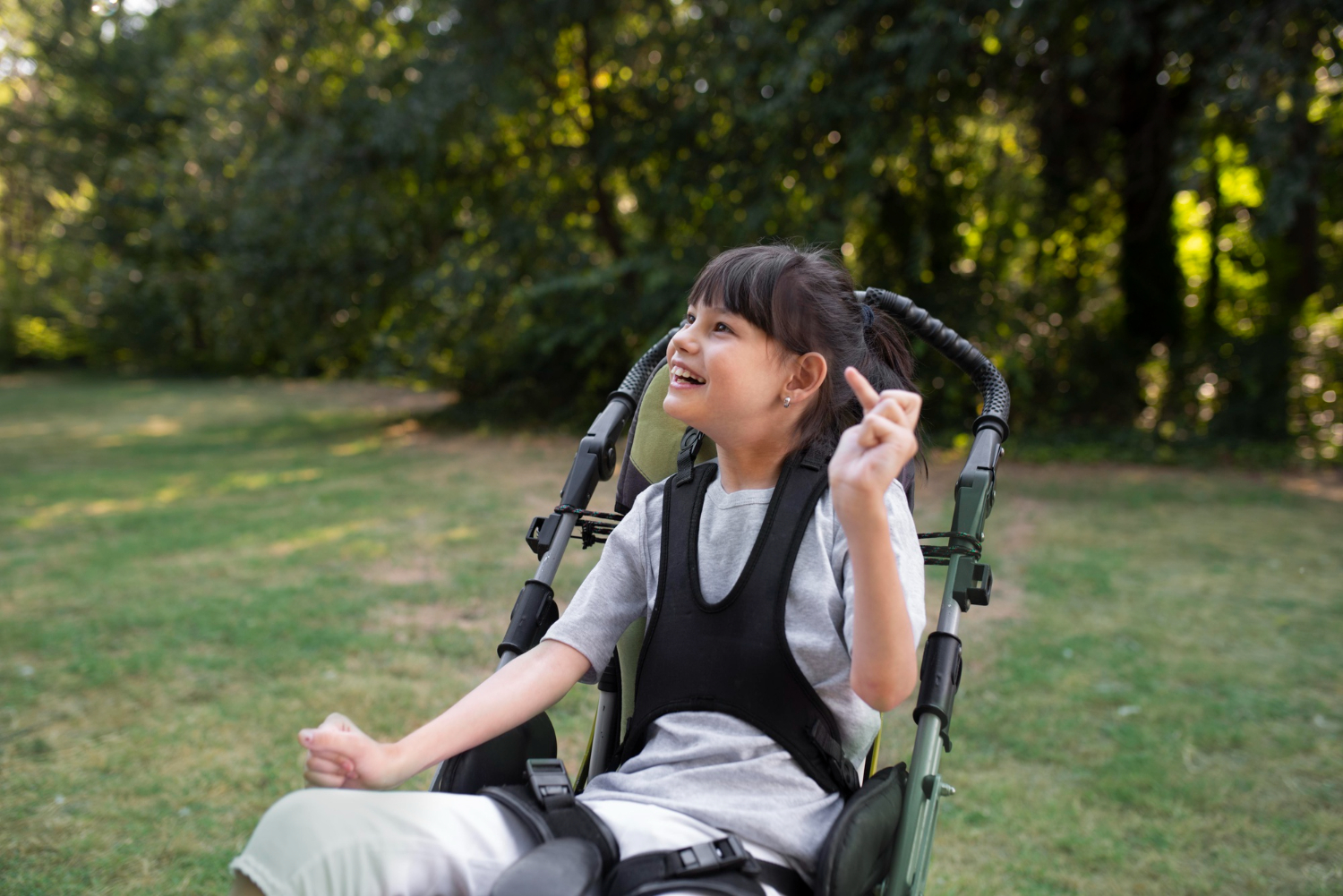
Choosing physiotherapy for a child with cerebral palsy can feel like a big decision. You want to know that the support they receive will help them move better, feel more confident and enjoy everyday life. Neuro physio, which focuses on the brain and nervous system, can play a key part in helping children build skills that last into adulthood.
Cerebral palsy is a condition that affects movement and posture because of a difference or injury in the developing brain. It does not go away, but the brain can learn and adapt. With the right support, many children can gain new skills, move more easily and take part in family life, school and play in their own way.
Specialist neurological physiotherapy takes what your child already loves, like play, school activities or trips out, and turns those moments into chances for progress instead of stress. For families looking for cerebral palsy physio in the UK, having a clear plan can also ease some of the worry around school terms, holidays and times of change.
Cerebral palsy can look different for every child. Some children might have very clear movement difficulties, while others have milder changes that still affect daily tasks. Common types include:
These movement differences can affect balance, posture, walking, hand use, speech and how quickly a child can manage everyday activities like dressing or moving around the classroom. This is why support that focuses on the nervous system, not just muscles and joints, is so important.
Neurological physiotherapists understand how the brain and body work together to learn new movements. We look at how a child plans a movement, how their body responds and how we can repeat tasks in a way that helps the brain create stronger movement patterns over time.
A child’s needs also change as they grow. Things that influence their physio plan can include:
Good neuro physio keeps adapting to these changes so support stays realistic and useful across the year.
Not all physiotherapy is the same. General physiotherapy often focuses on musculoskeletal problems like sports injuries, back pain or joint issues. Neurological physiotherapy is different. It focuses on:
Specialist neuro physios are used to assessing tricky movement patterns, thinking about long-term posture and planning treatment around conditions that may change over time. For children with cerebral palsy, this can mean more targeted support and a clearer plan for the future.
There is also real value in working with a team that understands both paediatric and adult neurological care. Children grow into teenagers and then adults, and their goals will change along the way. Support that can follow them through school transitions and life changes can help them keep building on progress rather than starting again with someone new each time.
For families, the outcomes that usually matter most include:
Finding the right cerebral palsy physio in the UK can feel confusing, especially when services and terms vary. A simple checklist can help you compare options in a clear way. Things to look for include:
When speaking to a potential provider, it can help to ask:
Practical factors also matter. Location, home visits, access to a clinic and the option for online sessions can all make life easier. During busy school terms or when families are travelling, flexible options can help keep physio going without extra stress. At The Neuro Physio Service, we support people across the UK, which can be helpful if families move or spend time in different areas.
A good neuro physio programme should feel structured but also personal to your child. While every service is different, the general steps often include:
Interventions may include:
The aim is not just what happens in the session, but how therapy ideas can fit into everyday life. That might be:
When therapy blends into normal activities, children are more likely to stay engaged and families can feel that their efforts are making a real difference.
At The Neuro Physio Service, we focus on specialist neurological physiotherapy for both adults and children, including those with cerebral palsy. We work closely with families to understand what daily life looks like, what is going well and what feels hard. From there, we build support around real goals, not just what happens in the clinic.
We also know that children do not live in just one setting. That is why we aim to work in partnership with schools, NHS services and other professionals involved in your child’s care. This joined-up approach helps keep messages consistent and makes it easier for your child to practise skills in different places.
Support can be flexible, with options such as home-based sessions, community sessions or periods of more intensive input around key times like starting a new school or preparing for a new stage of independence. We can also offer guidance for managing changes in routine, such as school breaks, exams or busy family periods, so that physiotherapy continues to support your child’s movement, play and learning over the long term.
If you or your child could benefit from specialist, evidence-based care, our team at The Neuro Physio Service is ready to help. Explore how our tailored programmes for cerebral palsy physio in the UK can support your goals at home, school and in the community. To discuss your specific needs, outcomes and appointment options, please contact us and we will respond with clear, practical next steps.