Summer in the UK often means school holidays, lighter evenings and more chances to get away. For people living with stroke, brain injury, spinal cord injury, multiple sclerosis or other neurological conditions, this change of pace can be exciting, but it can also unsettle routines that support recovery. Regular neuro rehab can slip when travel plans and family schedules get busy.
With some clear planning, holidays do not have to slow your progress. Time away can actually help build motivation, independence and confidence. New places and different daily tasks give real-life chances to practise balance, walking, transfers and problem solving. Instead of putting therapy on hold, private neuro physiotherapy can fit around your summer plans so you keep your rehab moving while still enjoying a change of scene.
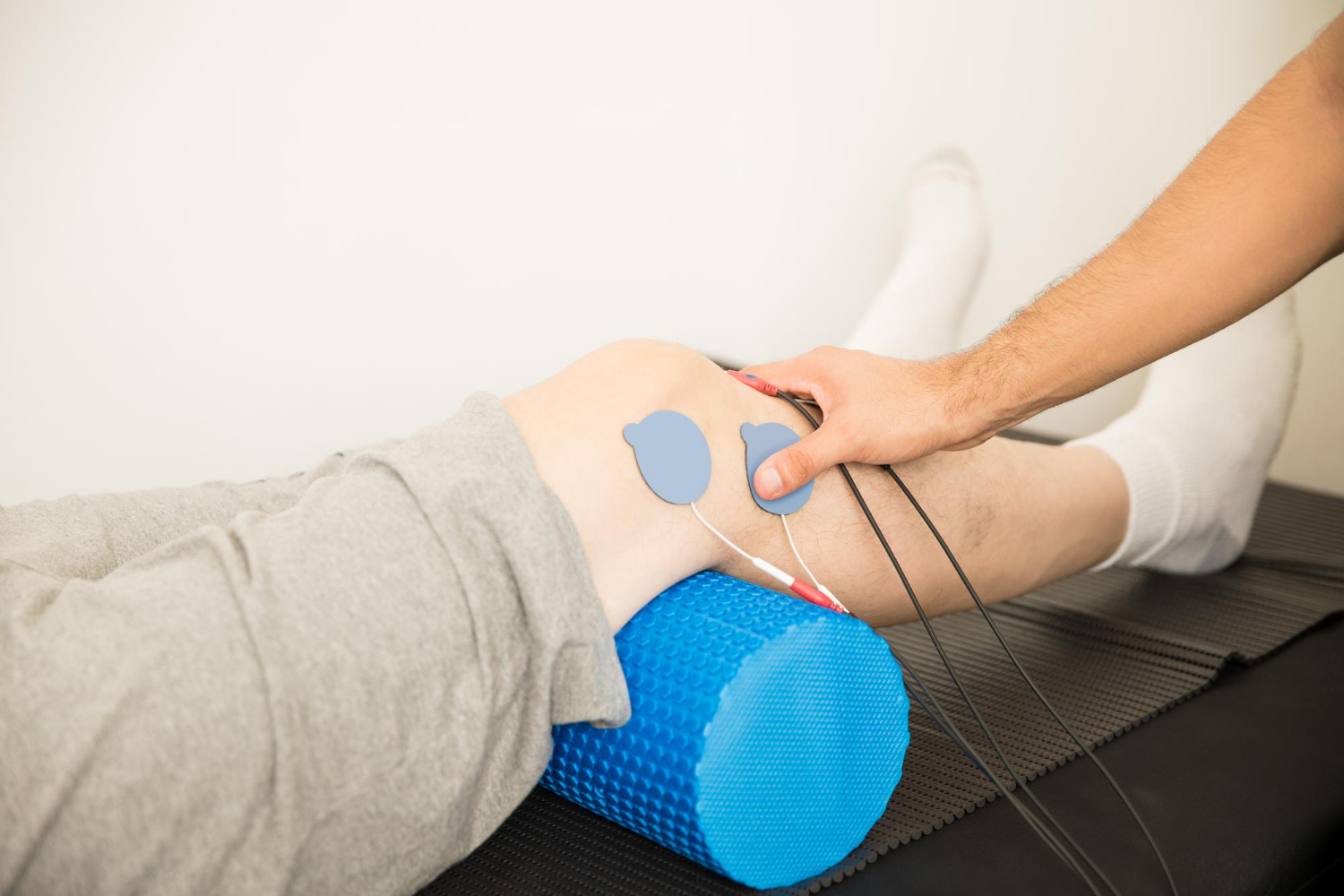
At The Neuro Physio Service, we offer specialist neurological physiotherapy for adults and children across the UK. We can visit people at home, in care settings and, where suitable, at holiday accommodation, and we can also work as part of wider rehab teams. This flexibility means your rehab can follow you, rather than stop, when you go away.
When you think about summer plans, it helps to look at how different types of breaks might work with your mobility needs, energy levels and rehab goals. Some breaks are naturally more demanding than others. For example:
Before you book, it can help to ask a few key questions about the practical demands of the destination and accommodation. These details affect balance, transfers and fatigue, and building your rehab goals into your holiday choice can make a big difference.
Key planning questions include:
Once you have a sense of the environment, you can choose a break that naturally supports what you are working on in rehab. You might choose:
A private neuro physiotherapy clinician can also help you think through options before you commit. They can review how your current abilities match the demands of each destination, flag potential risks (such as long walks without seating or tricky bathroom access), and talk through equipment or small adaptations that could make your plans safer and more enjoyable.
Once you know when and where you are going, it is helpful to book a specific summer planning session with your physiotherapist a few weeks before you travel. This gives time to prepare without feeling rushed.
During that session, you might talk through:
Based on this conversation, your physio can design a simple written plan that fits around your trip. It may include a short list of stretches to do in the morning and evening, clear mobility tasks (for example, standing practice before going out to eat), and strength exercises using body weight or resistance bands that are easy to pack. It can also include guidance on when to rest, and when it may be safe to push yourself a little more.
One of the strengths of private neuro physiotherapy is flexibility. Appointments can often be timed around your travel, such as:
Your physio can also link in with family members or care teams so everyone understands the summer plan and how to support it.
Travel days can be tiring even without a neurological condition. A bit of extra planning can protect your comfort and safety.
For airports, train stations and long car trips, it can help to:
Fatigue and sensory overload can quickly spoil a day out. Tips that many people find useful include:
It can also help to prepare a simple equipment and aids checklist, so you are not trying to remember everything at the last minute:
Labelling key items and keeping them in your hand luggage or easily reached bags can reduce stress. It is also worth checking any airline or travel provider rules about mobility aids or medical equipment before you go.
Safety planning is just as important, especially when you are away from your usual support networks. Agree in advance:
Holidays can be powerful real-life rehab. Instead of thinking of exercises as something separate, you can use daily activities as chances to work towards your goals.
Examples of functional goals might be:
To keep things manageable, you and your physio can pick a small number of clear goals before you go. While you are away, you can track progress in simple ways, such as:
When you return, sharing these notes with your physiotherapist helps shape what happens next. Your private neuro physiotherapy programme can then be adjusted to build on any gains made on holiday, tackle new challenges that became obvious while you were away, and update long-term goals based on what felt meaningful and realistic.
At The Neuro Physio Service, we understand that summer plans matter to you and your family. With thought and support, holidays, day trips and UK breaks can sit alongside your rehab rather than compete with it.
We provide specialist neurological physiotherapy for adults and children across the UK, with flexible options such as home visits, sessions in care settings, remote video support where suitable, and, in some cases, visits to holiday accommodation. By planning ahead, we can help you keep continuity through the summer months, so you feel safer, more confident and better able to enjoy your time away while still working towards your rehab goals.
If you are ready to work towards safer mobility, better balance and more control in everyday activities, our team at The Neuro Physio Service is here to help. Explore how our private neuro physiotherapy can be tailored to your specific condition, goals and home environment. We will listen carefully, assess your needs and create a clear, realistic plan so you know exactly what to expect. To arrange an initial conversation or book an assessment, please contact us today.