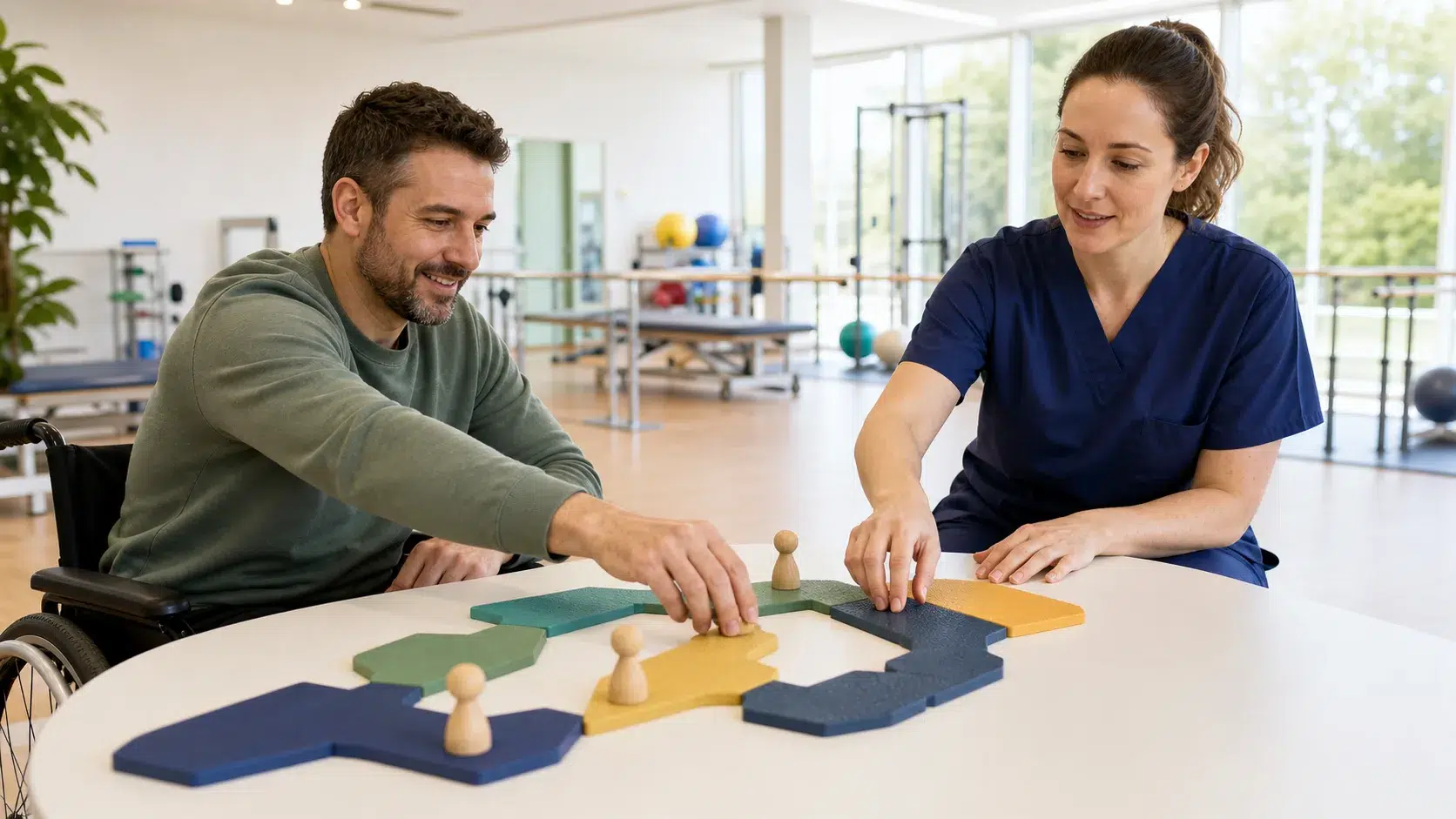
Spinal cord injury affects every part of life, not just movement. The first months and years can feel confusing and tiring for clients, families, and professionals alike. There are many new faces, new terms and big decisions to make, often in a short space of time.
A clear, personal neuro physio pathway helps bring some calm to that noise. It sets out what everyone is working towards, why certain exercises or pieces of equipment matter, and how to keep health as strong as possible. It also helps to spot and prevent avoidable problems like chest infections, pressure sores or pain that slowly builds up.
At The Neuro Physio Service, we work with adults and children with spinal cord injury across the UK, from hospital discharge through to long-term community life. We often see September acting as a natural reset point, with discharges after summer, care package reviews and new school or university terms starting. It is a good moment to step back, check the plan and shape the next stage with confidence.
Rehab needs after spinal cord injury change over time. What matters in the early hospital phase is not always the same as the priorities several years later at home.
Typical phases might include:
Across these phases, core neuro physio needs often include:
A holistic assessment helps set realistic, meaningful goals. That means looking not only at the level of injury, but also at:
There are key transition points when a structured neuro physio review is especially helpful, for example at discharge from a specialist centre, when returning to work or education after the summer, when care funding changes, or when new equipment is being considered. A planned review at these times can prevent small issues from turning into bigger problems.
A good neuro physio pathway should feel personal and practical, not like a generic checklist. We usually start with a full assessment at home or in a community setting. This might include watching how transfers, dressing, showering or wheelchair skills are working in real spaces, not just in a therapy gym.
Together with the client and family, we then agree priorities. For some, the focus might be on building confidence with carers and equipment. For others, it might be standing practice in a frame, early steps with aids, or making sure long sitting days do not cause pain.
Programmes often blend:
Flexibility is key in spinal cord injury physio in the UK. Health can change with time of year, infections, hospital admissions, pain flare-ups or life events like a new job or a house move. A pathway needs room to adjust the intensity and focus of sessions while still holding on to long-term aims.
We like to think in terms of stepping stones rather than one fixed end point. That might mean clear targets for the next few months, agreed outcome measures to track change, and set dates for review. If something is not working, it can then be reshaped, not abandoned.
Many people with spinal cord injury in the UK are supported by case managers, solicitors and insurers, especially where there is a medico-legal process. Neuro physio input needs to link smoothly with this wider picture.
Our role often includes:
Translating clinical needs into practical recommendations is an important part of this. For example, physio findings may support:
Regular communication with carers, personal assistants, therapy assistants and teams in residential or supported living settings helps keep everyone on the same page. Shared exercise sheets, video clips where helpful, and simple written guidance can support safe, consistent practice.
Good documentation and goal updates are also important for continuity and risk management. Seasonal planning can be included too, such as autumn reviews to think ahead about winter infection risk, darker commutes to work or college, and any planned holidays or term changes.
Neuro physio for spinal cord injury does not have to stay inside a clinic or home. Everyday environments are some of the best places to work on real-life skills.
Useful community settings can include:
Practising wheelchair skills on pavements, managing ramps, transferring in and out of cars, or planning energy over a long day out can all be built into a pathway. In the UK, this might also mean planning for rain, cold and darker evenings so that fatigue, skin and chest health are protected.
Technology can support pathways in simple, practical ways:
Regular remote check-ins between face-to-face sessions can help keep motivation up, spot early signs of problems and adjust exercises if, for example, winter infections, heatwaves or changes in routine start to affect function. This mix of contact styles can help keep the plan moving forward, even when life is busy.
As autumn begins, many people find it is a natural point to look again at their rehab plan. This might be because a hospital stay is ending, a new term is starting, a care review is due or work roles are changing. It can be helpful to ask: are current goals still right, are there new aims, and are there any gaps?
The Neuro Physio Service supports adults and children across the UK with spinal cord injury physio in the UK, working at home and in community settings and alongside medico-legal teams where needed. Thoughtful pathway planning, with space to adapt over time, can make a real difference to long-term health, independence and confidence for both clients and those around them.
If you or a loved one is ready to work towards improved movement, strength and confidence after a spinal cord injury, we are here to help at The Neuro Physio Service. Our specialist spinal cord injury physio in the UK is tailored to your goals, whether that is everyday function, mobility or long-term health. To discuss your situation and arrange an initial appointment, please contact us and we will guide you through the next steps.