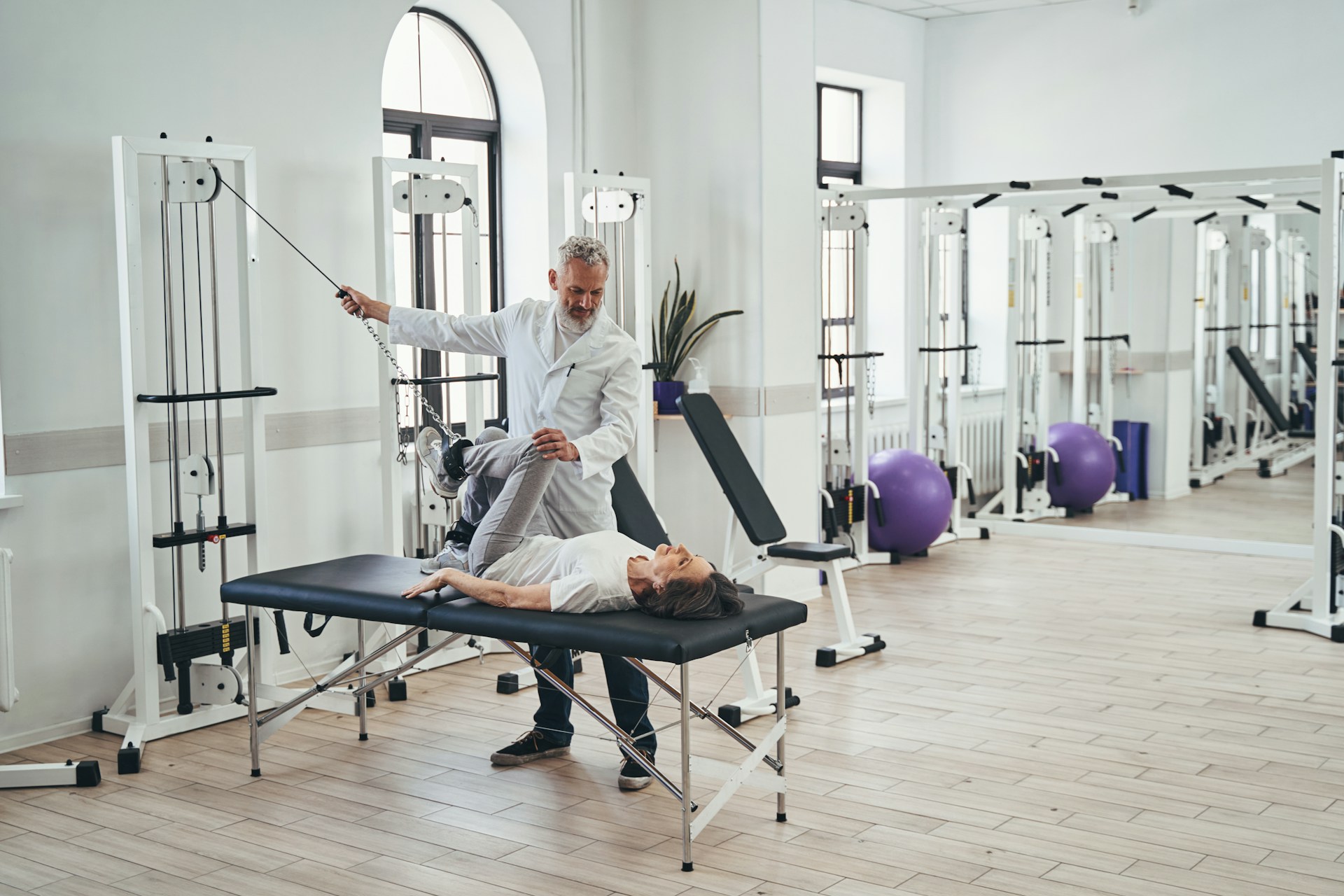
Complex neurological rehabilitation is about much more than a set of exercises. It is about helping a person live their life as fully and safely as possible after a stroke, brain injury, spinal cord injury, multiple sclerosis, or another neurological condition. As neuro physio specialists, we look at the whole picture, not just one joint or one muscle.
In this article, we share how specialist neurological physiotherapy can support complex rehabilitation for adults and children. We will look at what complex rehabilitation really means, how a specialist approach works, and how it can be applied in homes and communities across the UK.
Complex rehabilitation usually means there is more than one issue happening at the same time. A person might be dealing with changes in:
These difficulties often come with long-term neurological conditions. Progress is rarely a straight line, so support needs to be flexible and able to change over time, rather than a fixed, short programme.
General rehabilitation can be helpful, but it may not always pick up subtle neurological problems, such as sensory loss, visual neglect or abnormal muscle tone. That is where specialist neuro physio comes in. We pay close attention to how the brain, spinal cord and muscles are working together. With the right input at the right time, people can reduce the risk of complications, keep as independent as possible and feel more confident moving in daily life.
Neurological physiotherapy is focused on how movement is controlled by the nervous system. We use evidence-based approaches to encourage neuroplasticity, which is the nervous system’s ability to adapt and learn. The aim is to help people relearn skills where possible, find smart ways to work around problems, and make the most of the abilities they have.
A specialist neuro physio will usually start with a detailed, person-centred assessment. This often includes:
We also talk about what matters to the person and their family. Goals might include getting upstairs safely, walking to a local shop, returning to work or study, or feeling confident enough to go out in the community again. Fatigue, concentration and mood are part of this picture, as they can all affect how rehabilitation feels and how much someone can manage.
From this, the specialist neuro physio creates an individual treatment plan. Larger goals are broken down into smaller, realistic steps, with clear timeframes. We shape sessions and home practice around daily life, energy levels and family routines, rather than expecting life to fit around therapy.
Rehabilitation is rarely a one-off event. We review progress regularly, repeat key outcome measures, and listen carefully to feedback about what is or is not helping. Plans are adjusted as the person recovers, as new challenges appear, or as priorities change. It is very much a shared process.
Neuro physio techniques are varied, but they all aim to improve safe, meaningful movement. Hands-on work is often used to guide better movement patterns. This might involve gentle manual input to reduce stiffness or high tone, improve alignment, or help someone feel where their body is in space. We use handling, positioning and clear cues to help posture, balance and selective control.
We put a strong focus on task-specific practice. Instead of only doing abstract drills, we practise real activities, such as:
Complex movements are broken down into smaller chunks, then joined back together as things improve. Repeating tasks in a graded way helps build new motor patterns and supports longer-term change.
Some people also benefit from technology or more advanced tools. This might include treadmill-based gait training, body-weight support systems, electrical stimulation or balance equipment, where suitable. We also use neuro physio exercises that can be safely carried out at home. When face-to-face sessions are not possible, remote support can help keep things moving in the right direction.
Neuro physio for stroke often focuses on weakness, spasticity, poor balance and difficulty using one side of the body. For brain injury, there may also be issues with attention, planning and sensory changes. In both cases, we work on using the affected side as much as possible, reducing unhelpful compensations and building confidence in movement. Progress can continue well beyond the early phase, so longer-term input can still be useful.
For spinal cord injury, work often includes sitting balance, transfers, standing and gait where this is realistic. Changes in tone and sensation, as well as risks like contractures or pressure issues, need ongoing attention. Efficient wheelchair skills and safe movement can help protect joints and skin and support independence.
In progressive conditions such as multiple sclerosis, symptoms can vary from day to day or season to season. A specialist neuro physio can help manage fatigue, maintain strength and mobility, and plan ahead for possible future changes. The focus is not only on what is happening now, but also on helping the person feel prepared for what might come next.
Across the lifespan, other neurological conditions can also benefit from tailored neuro physio input. Children and adults may both need support through big life stages such as starting school, moving to higher education or work, or aiming for more independent living. We keep the focus on real-life roles and activities, not just clinic-based goals.
Community neuro physio and home-based neuro physio can make a big difference to how well rehabilitation fits into daily life. Working in someone’s own home or local area allows us to tackle the actual challenges they face each day. This might include:
Real-world practice also supports everyday participation. We can gradually build up to tasks like going to the local shop, getting on and off public transport, spending time at the park or joining in family activities. Hobbies, sport and leisure are all part of a full life, so we look for ways to support these where possible.
Family and other professionals often play a big part in complex rehabilitation. We spend time teaching safe handling and positioning, sharing simple exercise ideas and discussing what to watch for. We also link in with wider teams, such as NHS services, schools or workplaces, so that everyone is pulling in the same direction and understands the rehabilitation plan.
At The Neuro Physio Service, we provide specialist neurological physiotherapy for adults and children across the UK. Our clinicians work with a wide range of neurological conditions, including stroke, brain injury, spinal cord injury and multiple sclerosis. We put personal, meaningful goals at the centre of our work, whether someone is in early recovery or has more long-term, complex needs.
We offer flexible support that fits around real life, including home- and community-based input where suitable and remote sessions where needed. Intensity and frequency can be adjusted over time so that rehabilitation stays realistic and sustainable. When someone gets in touch, we begin with a clear conversation about their situation and priorities, then arrange a comprehensive assessment and an easy-to-follow plan from a specialist neuro physio. Regular reviews, outcome measures and honest communication help keep everyone informed and involved as rehabilitation progresses.
If you are ready to work towards more independence, our specialist neuro physio team at The Neuro Physio Service is here to support you. We will listen to your goals, assess your needs and create a tailored plan that fits your daily life. To discuss how we can help you or a loved one, please contact us and arrange an initial conversation.