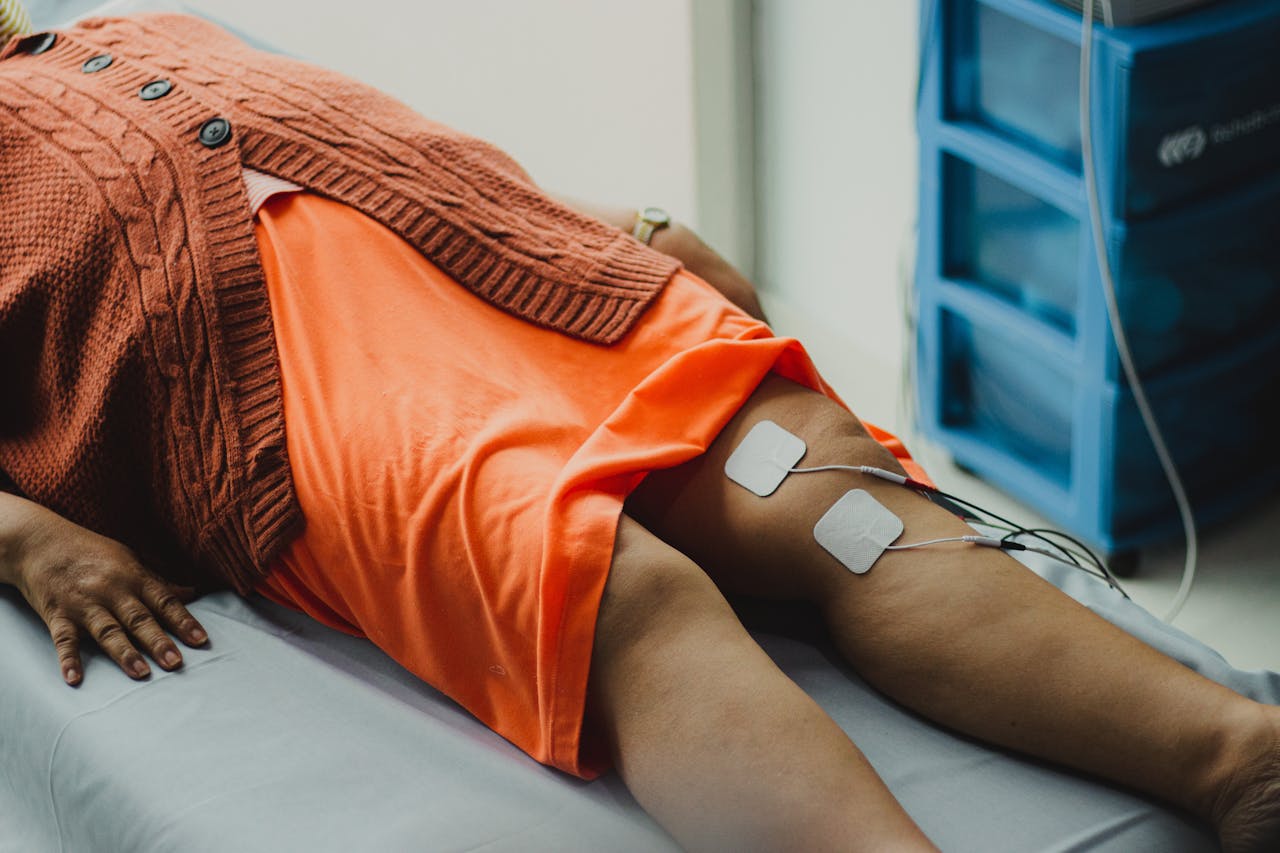
FES, or functional electrical stimulation, can sound complicated at first, but the idea behind it is simple. It helps support movement in people whose muscles are struggling to work the way they should. With small, controlled signals, the therapy helps muscles respond when the brain’s own message isn’t quite getting through. For someone living with a condition that affects nerves or movement, this quiet boost can make everyday tasks feel more manageable.
Working with a FES therapy specialist in the UK often means looking at what movement is still happening and building from there. It is never one-size-fits-all. Instead, the goal is to make small actions like walking, picking up a cup, or lifting a foot just a little more stable. That is what this therapy is really about, helping people move in ways that work better for them during normal, day-to-day life.
FES therapy uses gentle electrical pulses to help muscles move when they can’t do so on their own. These signals come from a device worn on the skin, and they guide the muscle to contract at just the right moment. It is not about making a muscle stronger on its own, but helping it time things better during a regular task, like walking across a room or holding onto a rail.
The therapy often supports people who deal with:
When muscles do not respond the way they used to, FES can give just enough help to make that path feel smoother. For many, it is not about perfect movement. It is about safer, steadier motion that feels possible.
FES therapy is not just for the clinic. A big part of its value comes from how it fits into routines at home, outdoors, or during daily tasks. A FES therapy specialist in the UK will often shape treatment around real-life movements, not just exercises. That way, the muscles learn while someone is doing what they would normally do.
We often guide people as they use FES during:
Progress usually looks like something small going more smoothly. That might be a steadier footstep or needing less effort to stand. Over time, these tiny bits of ease add up and help people feel more sure of what their body can still do.
Trying FES for the first time may feel like a mix of something new and something hopeful. During a session, the device is placed on areas where the muscle needs help, like near the knee or shoulder. The signals it sends feel like a light tapping, and the goal is for the muscle to respond by moving in a helpful way.
We work closely with people to adjust how strong the signals are and get them in sync with the movement they are trying to do. For example, if someone is stepping forward, the stimulation might start just as their foot needs lifting. Over time, the settings can change as the body learns or as goals shift.
It is not about pushing someone past their limit. It is more about finding a rhythm that works and letting the stimulation back up the effort without taking over.
February is not always the friendliest month for staying active. Cold air, darker days, and icy paths can make moving around more tiring than usual. For anyone using FES, this can mean making a few small tweaks to keep things feeling safe and manageable.
Cold can change how quickly the body responds, which might mean adjusting how the stimulation is timed or how often it is used. We often help people think about:
Winter does not mean stopping. It just calls for slower steps and planning ahead, which FES therapy can support when adjusted with care.
What matters most with FES therapy is not whether someone moves perfectly, but whether they are moving more confidently. Each small change, like a steadier heel strike or a softer hand grip, helps the body stay active and feel safer during regular tasks. These are the pieces we build on.
Working at a calm pace is often more helpful than pushing for fast gains. That way, people are more likely to notice what is easier, what is still tricky, and where the therapy is really helping. We take those pieces and shape the support around them, step by step.
Progress does not have to look the same for everyone. For some, it might be fewer trips or stumbles. For others, it might be doing something on their own that used to need help. However movement shows up, it still counts, and staying with it, even in winter, can make future steps feel more possible.
Considering FES therapy as part of your movement plan? Our staff at The Neuro Physio Service is here to discuss how working with a FES therapy specialist in the UK could help make daily activities more achievable, whether that means walking more confidently or improving foot lift. We focus on meaningful progress, especially during colder months when your body may need extra support. Contact us to talk about what could be most useful for your routine.